

Key Takeaways
- ACL tear treatment ranges from physical therapy to arthroscopic reconstruction — the right path depends on your activity level and tear severity.
- Early diagnosis within 48 hours improves surgical outcomes and reduces the risk of additional cartilage or meniscus damage.
- Most ACL reconstruction patients return to sports within 6 to 9 months with a structured rehab program.
- Florida Sports Injury & Orthopedic Institute provides same-week consultations with fellowship-trained ACL surgeons in Clermont, FL.
ACL tear treatment is one of the most common decisions athletes and active adults face after a serious knee injury. If you felt a pop in your knee during a game, a workout, or even a misstep on uneven ground — you already know something is wrong. The swelling came fast. Walking feels unstable. And now you need clear answers about what comes next.
You are not alone. More than 200,000 ACL injuries occur each year in the United States, according to the American Academy of Orthopaedic Surgeons (AAOS). The good news: outcomes for ACL reconstruction have improved significantly over the past decade. The key is getting the right diagnosis early and choosing a treatment plan that fits your body, your goals, and your timeline.

What Is an ACL Tear and Why Treatment Matters
The anterior cruciate ligament (ACL) connects your thighbone to your shinbone at the center of the knee. It prevents the tibia from sliding forward and helps stabilize the joint during rotation. When this ligament tears — partially or completely — the knee loses its ability to pivot and plant safely.
ACL tears happen most often during sudden direction changes, hard landings, or direct contact to the knee. Sports like soccer, basketball, football, and skiing carry the highest risk. Still, a torn ACL can happen outside of sports. A slip on a wet surface or an awkward step off a curb can cause the same injury.
Leaving an ACL tear untreated increases the chance of meniscus tears, cartilage damage, and early-onset arthritis. That is why timely evaluation matters — especially in the first 48 hours after injury. At Florida Sports Injury & Orthopedic Institute, same-week appointments are available so patients do not wait weeks for answers.
ACL Tear Symptoms You Should Not Ignore
Most ACL tears produce a distinct set of symptoms that are hard to miss. Recognizing them quickly helps you seek the right care before secondary damage occurs.
Common ACL Tear Warning Signs
- An audible “pop” at the moment of injury
- Rapid swelling within the first 2 to 4 hours
- A feeling that the knee is “giving way” or buckling
- Pain along the joint line, especially with weight-bearing
- Loss of full range of motion compared to the other knee
Some patients report mild initial pain that fades within a day, then worsens with activity. This delay leads many people to assume the injury is minor. However, a clinical exam and imaging can confirm the diagnosis and prevent further harm.
How Your ACL Tear Is Diagnosed
Accurate diagnosis starts with a physical exam. Your orthopedic surgeon will perform specific stability tests — the Lachman test and anterior drawer test — to assess how much the tibia shifts relative to the femur. In the hands of a fellowship-trained specialist, these evaluations are highly reliable.
MRI is the gold standard for confirming an ACL tear and evaluating damage to surrounding structures like the meniscus and cartilage. At Florida Sports Injury & Orthopedic Institute, Dr. Amit Varma and the orthopedic team use advanced imaging to classify the tear as partial or complete and identify any associated injuries. This detailed evaluation drives every treatment recommendation.
Research published through the National Library of Medicine (PubMed) confirms that early MRI within two weeks of injury improves surgical planning and reduces the risk of missed meniscal tears.
ACL Tear Treatment: Surgical vs. Non-Surgical
The right ACL tear treatment depends on three factors: the severity of the tear, your activity level, and your long-term goals. There is no single answer that works for every patient.
Non-Surgical ACL Tear Treatment
For patients with partial tears and low physical demands, a structured rehabilitation program can restore functional stability. This approach typically includes progressive strengthening of the quadriceps and hamstrings, proprioception training, and activity modification. Bracing may provide additional support during recovery. Dr. Aalok Shah and Dr. Brian Patterson at FSI specialize in non-operative sports medicine and design individualized rehab protocols for patients who are strong candidates for conservative care.
ACL Reconstruction Surgery
Complete ACL tears in athletes and active adults typically require surgical reconstruction. The procedure replaces the damaged ligament with a tendon graft — most commonly harvested from the patellar tendon, hamstring, or a donor (allograft). The entire surgery is performed arthroscopically through two to three small incisions, which reduces scarring and speeds healing.
Graft selection is a critical decision. Patellar tendon autografts provide strong bone-to-bone healing and remain the preferred choice for high-demand athletes. Hamstring autografts involve less post-operative anterior knee pain and may be better suited for recreational athletes. Allograft tissue is an option for older or less active patients who prefer to avoid donor-site discomfort. Your surgeon will walk you through each option and recommend the best match for your situation.
The Mayo Clinic reports that ACL reconstruction has a success rate above 90% in restoring knee stability, with most patients returning to their pre-injury activity level.
Understanding ACL Reconstruction Surgery
This short video explains the ACL reconstruction process, from graft selection through arthroscopic placement. It covers what to expect in the operating room and how the new ligament integrates with your knee over time.

ACL Tear Treatment Recovery Timeline
Recovery from ACL reconstruction follows a phased rehabilitation protocol. Each phase builds on the last, and skipping steps increases the risk of re-injury or graft failure.
Weeks 1 Through 6: Protection and Early Motion
The first six weeks focus on reducing swelling, restoring full knee extension, and gradually increasing weight-bearing. Most patients use crutches for two to four weeks and begin physical therapy within the first week after surgery. Regaining full extension early is one of the strongest predictors of a successful outcome.
Weeks 6 Through 12: Strengthening
During this phase, physical therapy intensifies. Closed-chain exercises such as leg presses and squats build quadriceps and hamstring strength. Patients typically walk without assistive devices by week six and resume light cycling and swimming.
Months 3 Through 6: Functional Training
Sport-specific drills begin around month four. Agility work, lateral movement, and plyometrics are introduced progressively. The clinical team monitors quad strength symmetry — a key benchmark before clearing return to sport.
Months 6 Through 9: Return to Sport
Final clearance requires passing a battery of functional tests, including hop tests and strength ratios between the injured and uninjured legs. Athletes who meet these benchmarks have a significantly lower re-tear rate. The Centers for Disease Control and Prevention (CDC) emphasizes that structured, criterion-based return-to-sport programs reduce re-injury rates by up to 50%.
At FSI, Dr. William Athans and the sports medicine team work closely with physical therapists to track each milestone and adjust the plan as recovery progresses.
FSI vs. Other Orthopedic Providers
| Feature | Florida Sports Injury & Orthopedic Institute | Typical Orthopedic Clinic |
|---|---|---|
| ACL Surgeon Credentials | Double-board-certified, double-fellowship-trained (Dr. Varma); fellowship-trained sports medicine team | Board-certified general orthopedic surgeon |
| Wait Time for Consultation | Same-week appointments available | 2 to 4 weeks typical |
| On-Site Physical Therapy | Yes — integrated rehab team, coordinated with surgeon | Referred out to external PT facility |
| Non-Surgical Sports Medicine | Dedicated non-operative physicians (Dr. Shah, Dr. Patterson) | Handled by surgical staff or referred out |
| Walk-In Availability | Yes — walk-in clinic for acute injuries | Appointment-only in most cases |
| Graft Options | Patellar tendon, hamstring, allograft — patient choice with surgeon guidance | Often limited to one or two graft types |
| Insurance | Most major plans accepted | Varies by practice |
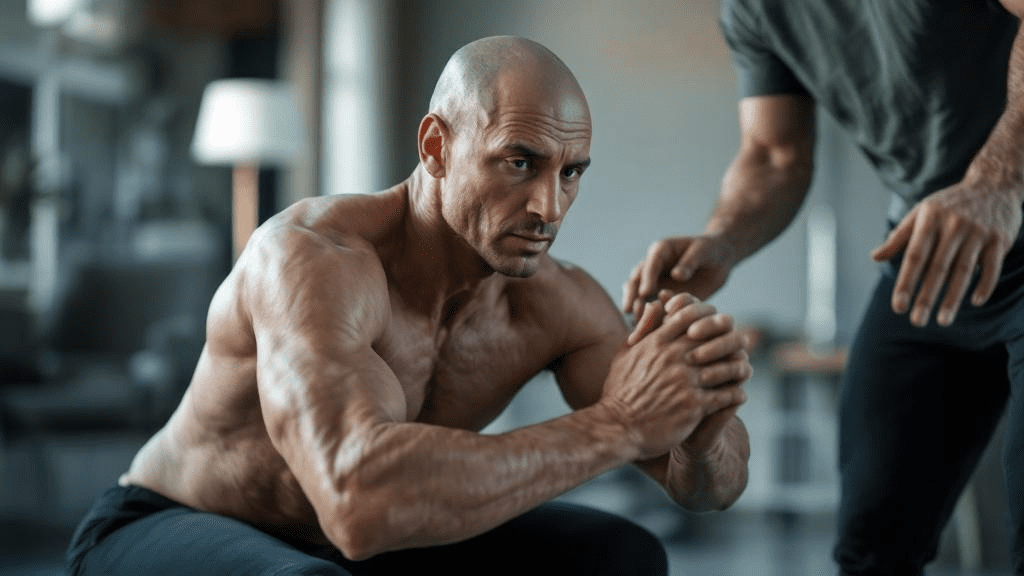
“I tore my ACL playing flag football and was terrified about surgery. Dr. Varma explained everything step by step and made me feel confident in the plan. I was back on the field in eight months — stronger than before.”
Ready to Get a Clear Diagnosis?
The FSI team provides same-week ACL consultations with fellowship-trained surgeons in Clermont, FL. Get your questions answered and a treatment plan built around your goals.
Or call/text: (352) 404-8956
Frequently Asked Questions About ACL Tear Treatment
How Long Does ACL Tear Treatment Recovery Take?
Most patients return to daily activities within 4 to 6 weeks. Full return to competitive sports typically takes 6 to 9 months, depending on the graft type and individual healing progress. Your surgeon and physical therapist will set specific milestones throughout the process.
Can an ACL tear heal without surgery?
Partial ACL tears in patients with lower physical demands may respond to physical therapy and bracing. Complete tears in athletes and active adults usually require surgical reconstruction to restore full knee stability and prevent long-term joint damage.
What Does ACL Reconstruction Surgery Involve?
ACL reconstruction replaces the torn ligament with a tendon graft — most commonly from the patellar tendon or hamstring. The procedure is performed arthroscopically through small incisions. Patients go home the same day in most cases.
How much does ACL surgery cost in Florida?
Costs depend on your insurance plan, the type of graft used, and the surgical facility. Most major insurance plans cover ACL reconstruction. Florida Sports Injury & Orthopedic Institute accepts most insurances and can verify your coverage before scheduling.
When Should You Seek ACL Tear Treatment?
Seek evaluation within 48 hours if you heard a pop during injury, your knee feels unstable, swelling is significant, or you cannot bear weight comfortably. Early diagnosis from a fellowship-trained specialist leads to better surgical and non-surgical outcomes.
Free Download: ACL Recovery Checklist
A week-by-week guide to ACL recovery milestones — from surgery day through return to sport. Built by the FSI rehabilitation team.
Related Reading:













Leave a reply