
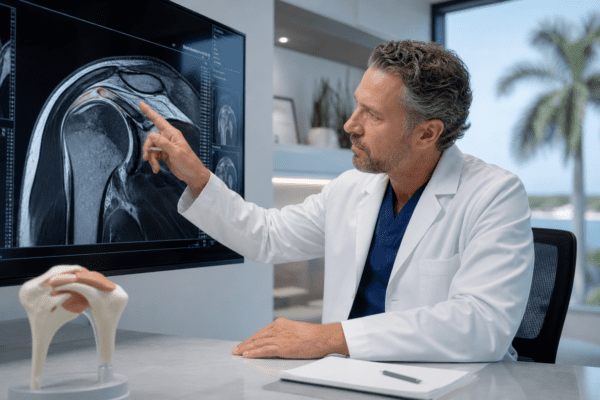
Rotator Cuff Tear Treatment: Avoid Surgery | FSI
Rotator cuff tear treatment in Florida doesn’t always mean surgery. FSI’s specialists offer diagnosis, therapy, and arthroscopic repair. Book your evaluation today.


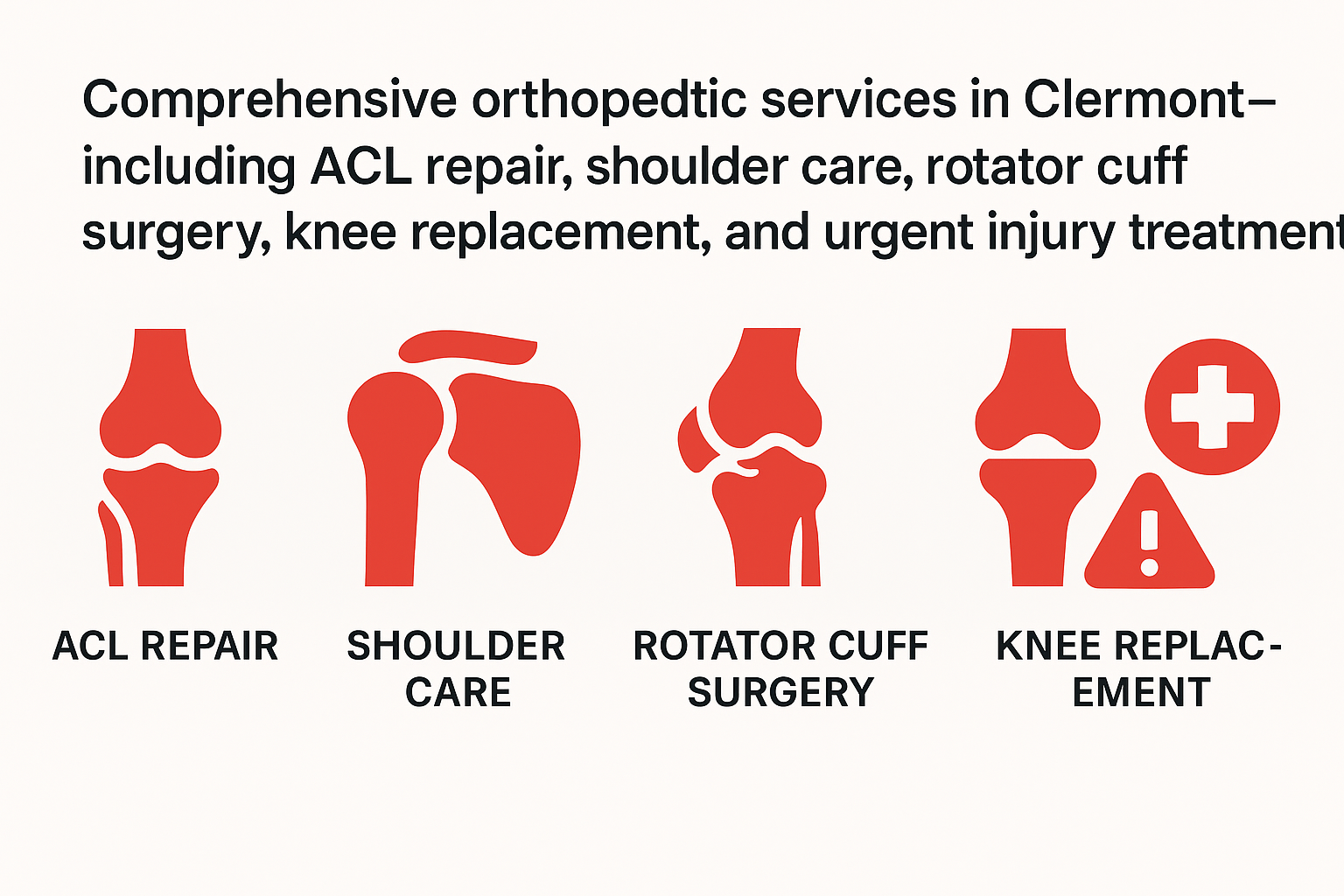
Our Clermont orthopedic surgeons are Central Florida’s trusted specialists in sports medicine. We proudly serve patients in Clermont, Winter Garden, Orlando, and nearby areas. Due to this broad reach, athletes of all levels can access expert care close to home.
We treat ACL tears, rotator cuff injuries, knee problems, and a wide range of other orthopedic conditions. Additionally, our dedicated urgent care in Clermont provides prompt treatment when you need it most. Same-day appointments are available, so you get relief without delays.
Sports injuries affect everyone—from youth athletes to professionals. For example, the CDC reports that millions of Americans face sports-related injuries every year. As a result, early treatment and prevention are essential. The NIAMS Sports Injuries resource
also confirms that quick diagnosis and tailored care lead to better outcomes across all age groups.
Serving Central Florida families with same-day sports injury urgent care in Clermont, we make expert treatment accessible without delays. From ACL tears to rotator cuff injuries, our Clermont orthopedic surgeons provide fast diagnosis and treatment tailored to your needs. Moreover, our experienced team values your time by offering quick, high-quality appointments. In addition, from diagnostic imaging to minimally invasive surgeries, we deliver comprehensive services that support full recovery. As a result, you can say goodbye to long waits—schedule with us today for a better experience.
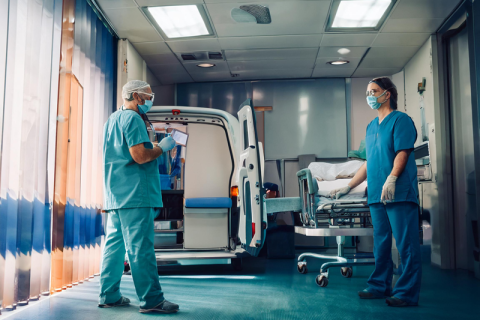
Expert orthopedic trauma surgery in Clermont FL with 24/7 emergency care. Complex fractures, dislocations & severe injuries treated by fellowship-trained specialists. Call (352) 404-8956.
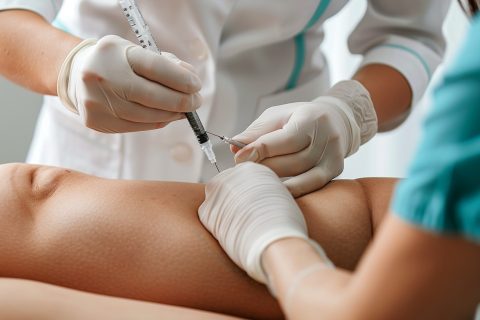
Advanced non-surgical treatment in Clermont FL with 85-95% success rates. PRP therapy, stem cell injections & regenerative medicine without surgery. Fellowship-trained. Call (352) 404-8956.
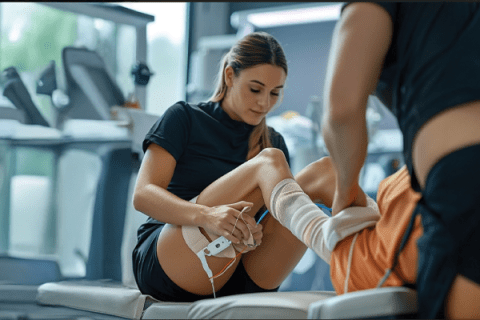
Professional physical therapy in Clermont FL with 6-8 week recovery programs. Evidence-based treatment for sports injuries, post-surgery rehab & chronic pain. Insurance accepted. Call (352) 404-8956.
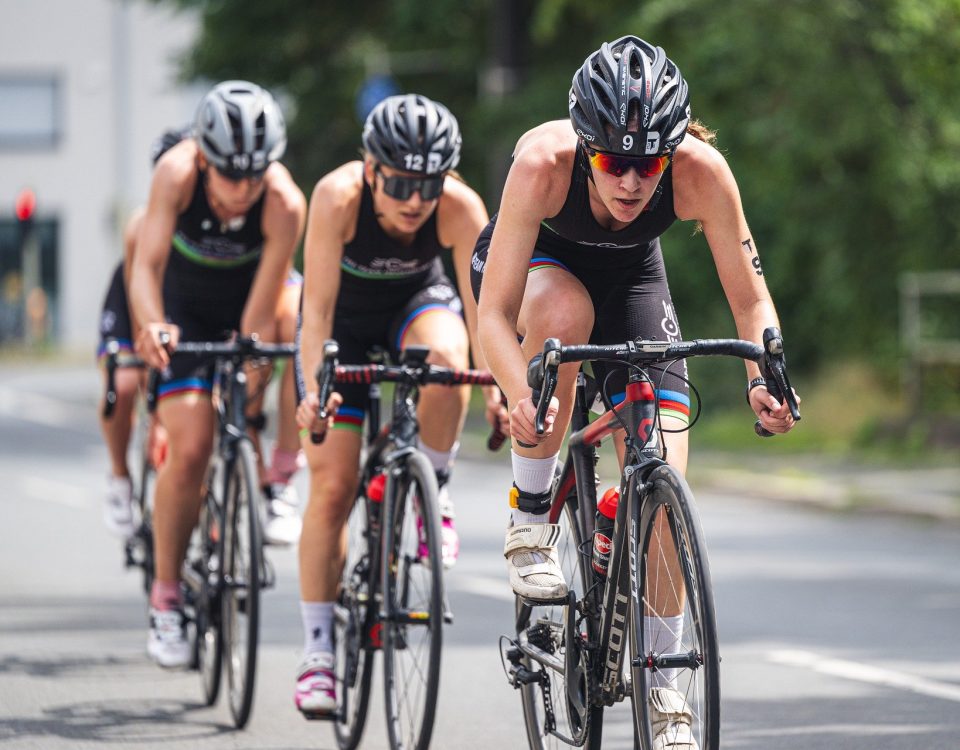
Living an active lifestyle or pursuing a sports career brings energy and fulfillment. However, when injuries happen, they can quickly derail your goals. At the Florida Sports Injury & Orthopedic Institute, our Clermont orthopedic surgeons understand how challenging these setbacks can be—both physically and emotionally.
Therefore, our caring team provides advanced sports injury urgent care in Clermont, along with ACL repair, rotator cuff treatment, and minimally invasive orthopedic surgery. In addition, with personalized treatment, physical therapy, and regenerative options, we help you rebuild strength, restore confidence, and safely return to doing what you love.

Whether you’re an athlete sidelined by injury or simply seeking a pain-free, active lifestyle, the Florida Sports Injury & Orthopedic Institute is here to help. In fact, our skilled Clermont orthopedic surgeons provide specialized treatments including ACL reconstruction, rotator cuff repair, arthroscopic knee surgery, and regenerative medicine. In addition, we offer urgent sports injury care in Clermont to support athletes and active individuals who need same-day solutions.
Moreover, we focus on holistic care—enhancing both your physical recovery and mental resilience. As a result, with advanced orthopedic surgery, physical therapy, and regenerative options, we’ll help you return to your passion—whether in sports or everyday life—with confidence and strength.





At the Florida Sports Injury & Orthopedic Institute, our Clermont orthopedic surgeons assist patients in recovering from injuries and surgeries. In addition, we provide advanced sports injury urgent care in Clermont, ensuring fast access to treatment when it matters most. Moreover, our team creates personalized plans that include ACL repair, rotator cuff treatment, physical therapy, and regenerative medicine. As a result, every patient has the support they need to rebuild strength and confidently return to their favorite activities.
Matthew Lee Welsh, M.D. is a board-certified orthopedic surgeon fellowship-trained in Hand and Extremity Surgery.
Peter Shekailo, M.D., is a board-certified orthopedic surgeon fellowship-trained in Adult Reconstructive Hip and Knee surgery.
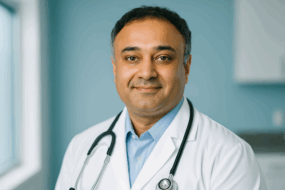
Amit Varma, M.D., is a double-board-certified orthopedic surgeon who is double-sports fellowship trained.
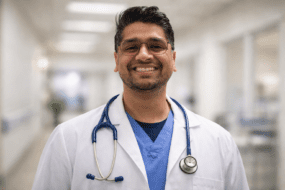
Dr. Shah is a non-operative Sports Medicine Physician trained in all Orthopedic injuries.
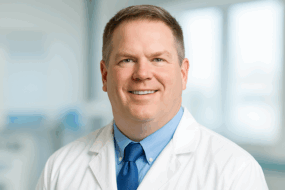
Brian Patterson, M.D., is a Sports Medicine Physician with specialized post-graduate training in Sports Medicine.
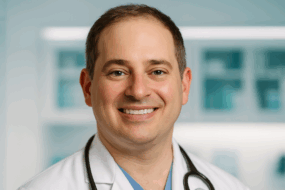
William Athans, M.D., is a board-certified orthopedic surgeon fellowship-trained in sports medicine.


Seek expert care for sports injuries and orthopedic issues in Florida with Florida Sports Injury & Orthopedic Institute. Our skilled orthopedic surgeons in Clermont are dedicated to helping patients recover quickly and regain their peak performance. Moreover, from physical therapy to advanced orthopedic surgery, we provide personalized solutions tailored to each patient’s wellness needs. In addition, our team offers specialized options, including sports injury urgent care in Clermont, ACL repair, and rotator cuff treatment. As a result, you can trust us to get you back on track—contact us today.

Experience advanced orthopedic care at Florida Sports Injury & Orthopedic Institute, where our Clermont orthopedic surgeons deliver expert treatment for athletes and active families. Moreover, our Winter Garden Surgery Center provides state-of-the-art, affordable procedures with outpatient rates and the latest technology. In addition, from diagnosis to recovery, we prioritize precision and comfort to help you heal faster. As a result, you gain access to innovative options such as arthroscopic knee surgery, rotator cuff repair, and regenerative medicine—discover them today!
Choose Florida Sports Injury & Orthopedic Institute for affordable care that never sacrifices quality. Our skilled Clermont orthopedic surgeons and medical team deliver excellent treatment at reduced prices, helping patients recover faster through individualized strategies. Moreover, we provide advanced options such as sports injury urgent care in Clermont, physical therapy, and minimally invasive orthopedic procedures. As a result, you can be confident in receiving high-quality medical services with outstanding outcomes. In addition, selecting us means choosing expert care that is both effective and budget-friendly.
Looking for expert care for your sports injury or orthopedic needs in Central Florida? At Florida Sports Injury & Orthopedic Institute, our Clermont orthopedic surgeons deliver advanced treatment options designed to get you back on your feet. Moreover, we offer specialized solutions, including urgent care for sports injuries in Clermont, ACL repair, rotator cuff surgery, and minimally invasive orthopedic procedures. In addition, our expert team is dedicated to providing superior treatment and personalized care tailored to each patient. As a result, when you choose us, you choose excellence in orthopedic care backed by experience and innovation.
Comprehensive post-surgical rehabilitation in Clermont FL with expert multidisciplinary team. Specialized physical therapy, personalized recovery plans & advanced techniques for optimal healing & function restoration.
Expert shoulder replacement surgery with Dr. Varma in Clermont FL. Advanced shoulder arthroplasty for arthritis, rotator cuff tears & shoulder conditions. Personalized care for pain relief & function restoration.
Advanced total shoulder replacement in Clermont FL with expert orthopedic surgeons. Comprehensive shoulder arthroplasty using latest techniques. Restore function, eliminate pain & regain full range of motion.
Advanced hand surgery specialists in Clermont FL with state-of-the-art techniques. Expert treatment for fractures, carpal tunnel syndrome & complex reconstructive procedures. Comprehensive rehabilitation services.
Comprehensive sports medicine injuries treatment in Clermont FL. Expert care for ACL tears, concussions, fractures, tendonitis & sprains. Advanced minimally invasive procedures & prevention programs.
Comprehensive foot & ankle surgery in Clermont FL with skilled orthopedic surgeons. Advanced minimally invasive & reconstructive procedures for sports injuries & orthopedic conditions. Expert rehabilitation.
Please remember we care about your privacy.
Check duty hours of doctors in our timetable.
Rotator cuff tear treatment in Florida doesn’t always mean surgery. FSI’s specialists offer diagnosis, therapy, and arthroscopic repair. Book your evaluation today.

ACL tear treatment options from diagnosis to full recovery. Board-certified surgeons in Clermont, FL help you return to activity safely. Call (352) 404-8956.
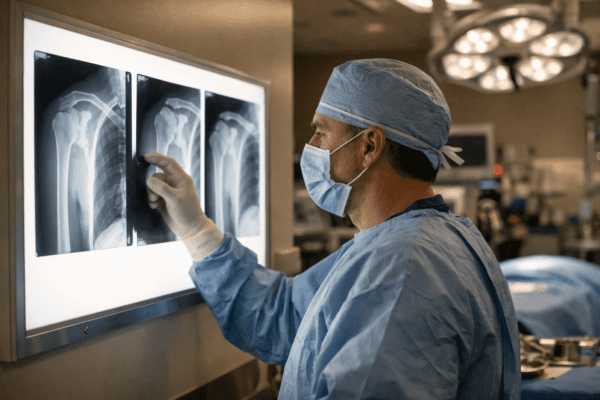
If you’re dealing with persistent shoulder pain — a torn rotator cuff, chronic instability, or a condition that hasn’t responded to conservative care — shoulder surgery has probably come up. And with it, the questions that keep patients up at night: What could go wrong? How bad is the recovery? Am I making the right decision?
Those questions deserve straight answers, not reassurance for its own sake. Shoulder surgery risks and complications are a legitimate part of any informed surgical decision. Understanding them clearly — what they are, how often they occur, and what reduces them — is the foundation of a confident choice.
At Florida Sports Injury & Orthopedic Institute in Clermont, FL, Dr. Amit Varma and the FSI team have this conversation with patients every day. This guide reflects that clinical experience.
Every surgical procedure carries baseline risk. For shoulder surgery specifically, risks fall into two categories: general surgical risks that apply to any procedure, and shoulder-specific complications tied to the anatomy, procedure type, and your health profile.
General surgical risks include anesthesia reactions, blood clots (deep vein thrombosis), wound infection, and bleeding. These are well-understood, screened for in pre-operative evaluation, and managed through standard surgical protocols.
Shoulder-specific risks center on the complexity of the joint itself — a highly mobile structure dependent on a precise balance of tendons, nerves, muscles, and bone. Disrupting that balance, even temporarily through surgery, carries defined risk that a skilled surgeon actively works to minimize.
The American Academy of Orthopaedic Surgeons (AAOS) notes that serious complications from shoulder surgery are uncommon — but they are not zero. Transparency about that is the starting point for a trustworthy clinical relationship.
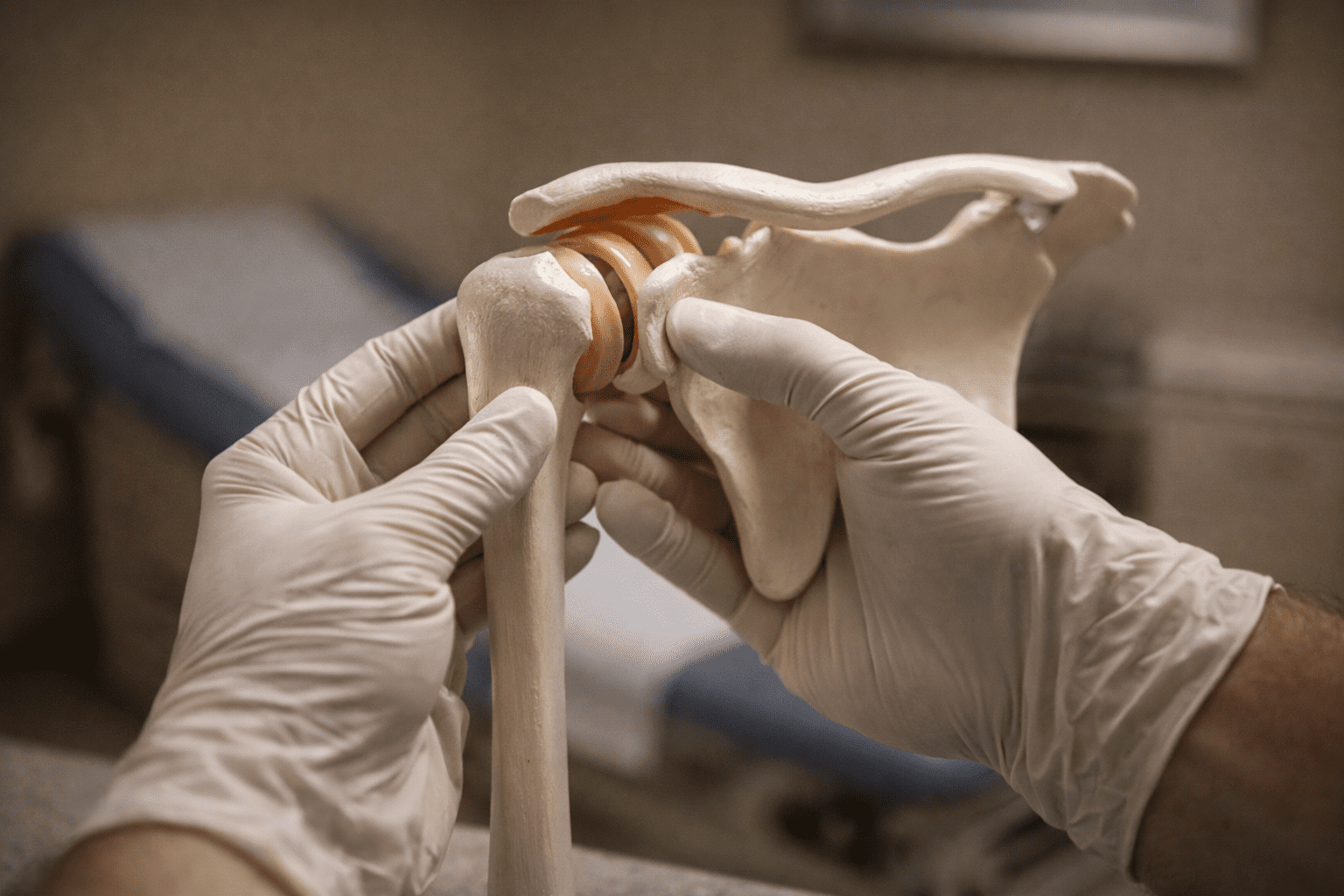
The following are the complications patients ask about most — and what the clinical evidence shows about their actual frequency.
Post-operative infection rates for shoulder surgery range from 0.5% to 1.9%, with open procedures carrying slightly higher risk than arthroscopic techniques. Propionibacterium acnes (now reclassified as Cutibacterium acnes) is a bacterium naturally present on shoulder skin that accounts for a disproportionate share of shoulder-specific infections — a fact that experienced shoulder surgeons screen and prepare for proactively.
The axillary nerve and brachial plexus run in close proximity to the shoulder joint. Temporary nerve irritation occurs in a small percentage of cases and typically resolves within weeks to months. Permanent nerve damage is rare in the hands of a fellowship-trained specialist but carries serious functional consequences when it does occur. Research published in the National Institutes of Health (NIH) documents axillary nerve injury rates under 1% in experienced centers.
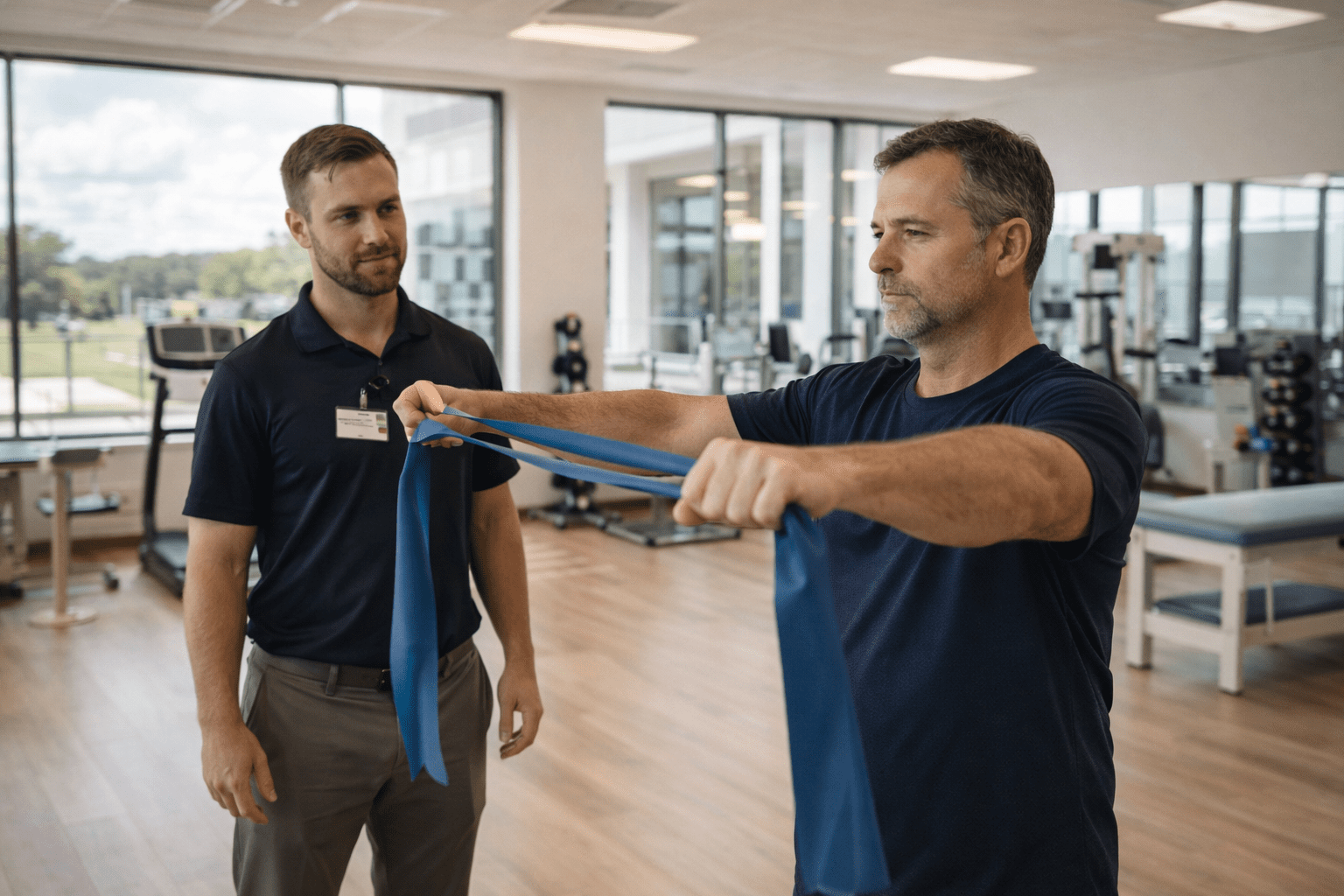
Post-operative stiffness is one of the more commonly encountered shoulder surgery complications — particularly after rotator cuff repair. Adhesive capsulitis (frozen shoulder) can develop when immobilization is prolonged or physical therapy is delayed. Structured early rehabilitation significantly reduces this risk. At FSI, every surgical patient receives a personalized physical therapy protocol beginning in the immediate post-operative phase.
For shoulder replacement procedures, implant loosening is the primary long-term complication. Glenoid component loosening occurs in roughly 5–10% of anatomic total shoulder replacements over 10 years. Reverse shoulder replacements — increasingly used for rotator cuff arthropathy — show different failure patterns, with notching and instability as primary concerns. Surgeon volume and implant selection directly affect these outcomes.
Deep vein thrombosis (DVT) and pulmonary embolism are rare after shoulder surgery compared to lower extremity procedures but remain a documented risk, particularly in patients with clotting history, obesity, or limited post-operative mobility. Standard prophylaxis protocols reduce this risk substantially.
Re-tear after rotator cuff repair occurs in 15–25% of cases, with larger tears carrying higher rates. Critically, not every re-tear causes pain or limits function — but some require revision surgery. Compliance with rehabilitation, appropriate sling use, and activity restrictions in the first 12 weeks are the primary factors within a patient’s control.
Risk is not uniform. Several patient factors consistently correlate with higher shoulder surgery complication rates across peer-reviewed literature:
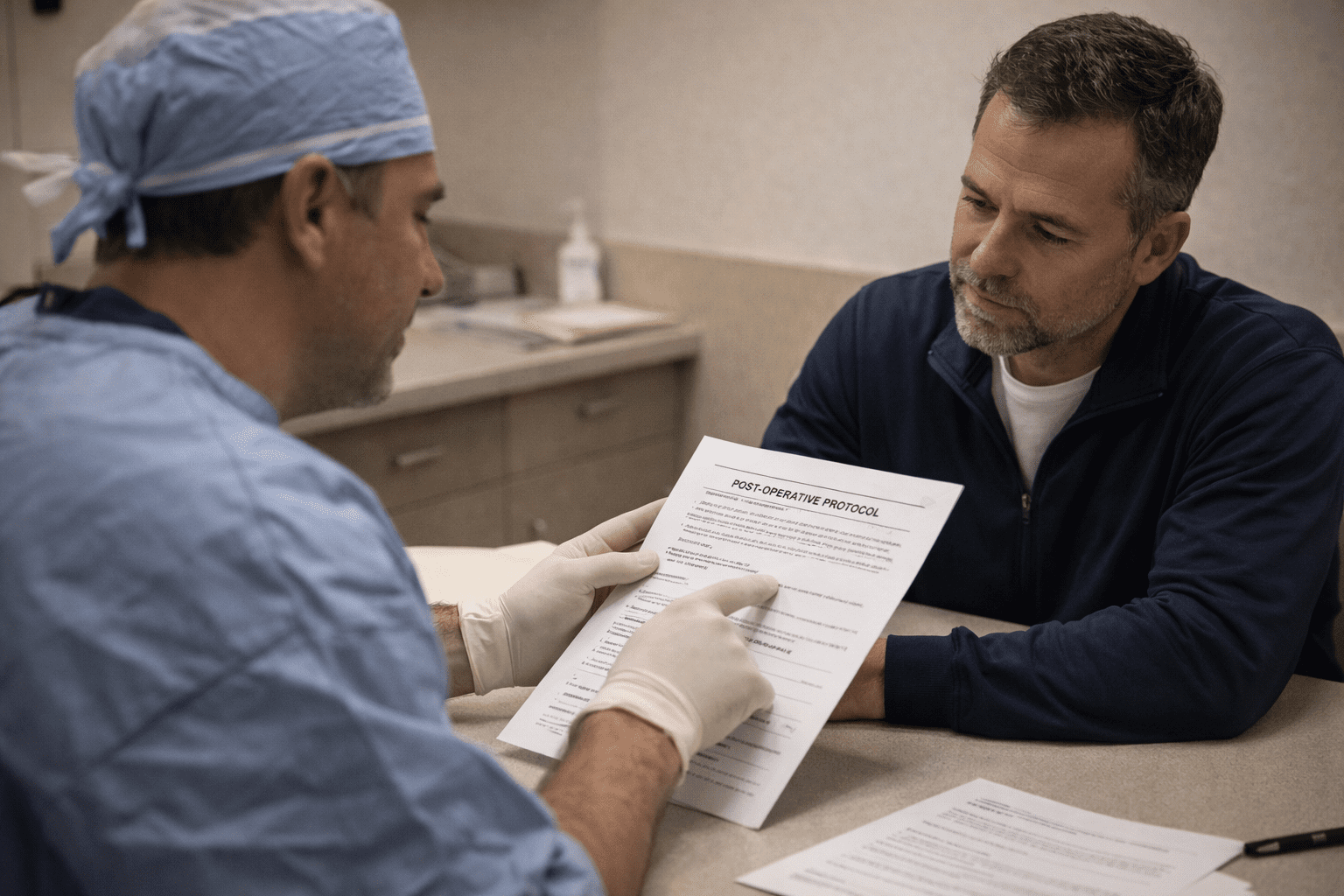
Knowing your risk profile before surgery allows the care team to modify technique, timing, and post-operative management to account for these factors. An honest pre-operative discussion with your surgeon about your individual risk is non-negotiable.
The single greatest modifiable variable in shoulder surgery outcomes is surgeon experience and technique. Shoulder surgery risks and complications are not fixed — they are directly shaped by who performs the procedure and how.
Dr. Amit Varma at the Varma Shoulder Institute is double-board-certified and double-sports fellowship trained, with subspecialty focus in shoulder reconstruction, arthroscopy, and complex revision cases. Subspecialty training means higher procedural volume, deeper anatomical familiarity, and pattern recognition developed across thousands of shoulder cases — all of which translate to measurably better outcomes.
What to ask your surgeon before agreeing to shoulder surgery:
How many of this specific procedure do you perform per year? What is your personal complication rate for this operation? What does your post-operative protocol include, and will I have access to physical therapy through your practice? These are reasonable questions. A qualified surgeon welcomes them.
Other evidence-based risk-reduction strategies used at FSI include:
| Factor | Florida Sports Injury & Orthopedic Institute (FSI) | General Orthopedic Practice |
|---|---|---|
| Surgeon Training | ✔ Double-sports fellowship trained, shoulder subspecialist | ✘ General orthopedic training; may not subspecialize in shoulder |
| Shoulder Case Volume | ✔ High-volume shoulder center with advanced arthroscopic capability | ✘ Variable; shoulder cases may be a fraction of caseload |
| Non-Surgical Options | ✔ PRP, stem cell, targeted injection therapy, structured PT on-site | ✘ Often limited; may refer out for non-surgical management |
| Infection Risk Protocols | ✔ Pre-op C. acnes decolonization, arthroscopic-first approach | ✘ Standard protocols only; may not address shoulder-specific pathogens |
| Biologic Augmentation | ✔ REGENETEN, PRP for rotator cuff repair when indicated | ✘ Often unavailable; not all surgeons are trained in biologics integration |
| In-House Rehabilitation | ✔ Coordinated PT, phase-based protocol, same-practice team | ✘ External referral; care coordination gaps more common |
| Walk-In / Urgent Access | ✔ Walk-in clinic available; same-day evaluation for acute injuries | ✘ Appointment scheduling only; ER for acute situations common |
Surgery is not always the first or only answer. For many shoulder conditions, structured non-surgical treatment produces outcomes that match — or in some populations exceed — surgical results. This is particularly true for:
At FSI, Dr. Aalok Shah and Dr. William Athans — both non-operative sports medicine physicians — conduct thorough evaluations to determine whether non-surgical treatment including physical therapy, corticosteroid injection, PRP, or targeted activity modification can resolve your problem before surgery becomes necessary.
The Harvard Health Publishing guidance on shoulder conditions confirms that shared decision-making — where patients understand both surgical and non-surgical pathways — produces better long-term satisfaction and adherence to care plans. Surgery entered into without understanding the alternatives tends to produce worse patient experience outcomes, independent of the clinical result.
Video summary: This educational video covers what to expect during and after shoulder surgery — including the procedure itself, sling requirements, activity restrictions, and the general phases of physical therapy recovery. Provided for patient education purposes only.
Recovery timelines vary significantly by procedure. Setting accurate expectations before surgery reduces anxiety and improves adherence to rehabilitation — both of which directly influence outcomes.
Most patients return to desk work within 1–2 weeks. Sling use typically extends 4–6 weeks. Full return to sport or physical labor generally requires 4–6 months, depending on the specific repair performed.
The tendon-to-bone healing process requires 10–12 weeks of protected range of motion. Active strengthening begins at approximately 3 months. Full return to overhead activity or throwing sports typically occurs at 6 months, with some high-demand athletes taking up to 9–12 months.
Most patients achieve significant pain relief within 6–8 weeks. Full functional recovery, including return to recreational activities, typically occurs between 3 and 6 months. Strength and endurance continue to improve for up to 12–18 months post-operatively.
Functional gains often occur faster than with anatomic replacement, as the reverse design compensates for deficient rotator cuff function. Many patients experience meaningful pain relief within 4–6 weeks. Full recovery follows a similar 3–6 month trajectory.
A second opinion is not a sign of distrust — it is a standard part of responsible surgical decision-making, and every qualified surgeon will tell you that. Specifically, consider seeking one when:
FSI actively welcomes second-opinion consultations. Dr. Varma provides an independent assessment of your imaging, diagnosis, and proposed surgical plan — without pressure toward any particular course of action.
Dr. Varma and the FSI team offer comprehensive shoulder evaluations — including imaging review, diagnosis, and a frank discussion of your surgical and non-surgical options. No pressure. No runaround.
Call or text: (352) 404-8956 · 1925 Don Wickham Drive, Clermont, FL 34711 · Walk-ins welcome
Dr. Varma walked me through every possible risk before my rotator cuff repair. Nothing surprised me in recovery because he prepared me for all of it. I was back on the tennis court at six months — exactly when he said I would be.”
Medical Disclaimer: The content on this page is provided for informational purposes only and does not constitute medical advice, diagnosis, or treatment. Individual results vary. Always consult a qualified physician or licensed healthcare provider regarding any medical condition, symptoms, or treatment options. Do not disregard or delay seeking professional medical advice based on information read on this page. Florida Sports Injury & Orthopedic Institute · 1925 Don Wickham Drive, Clermont, FL 34711 · (352) 404-8956.
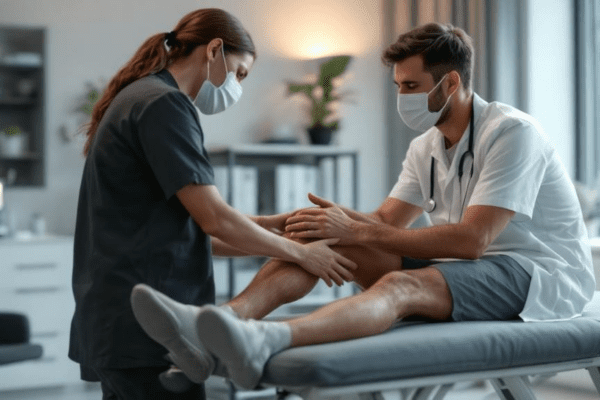
Recognizing sports injury warning signs can mean the difference between a quick recovery and months of chronic pain. Whether you’re a weekend warrior, competitive athlete, or parent watching your child play, knowing when to seek professional medical evaluation protects long-term mobility and performance.
Many Florida athletes push through discomfort. However, serious injuries often disguise themselves as temporary setbacks. In fact, Dr. Amit Varma and the medical team at Florida Sports Injury & Orthopedic Institute see patients every week who waited too long. Consequently, treatable conditions turn into surgical cases.
The body sends clear distress signals when injury exceeds its self-repair capacity. Pain serves as the primary alarm system. However, intensity alone doesn’t determine severity. For example, a partially torn ACL might cause less initial pain than a muscle cramp. Nevertheless, it requires surgical reconstruction while the cramp resolves in minutes.
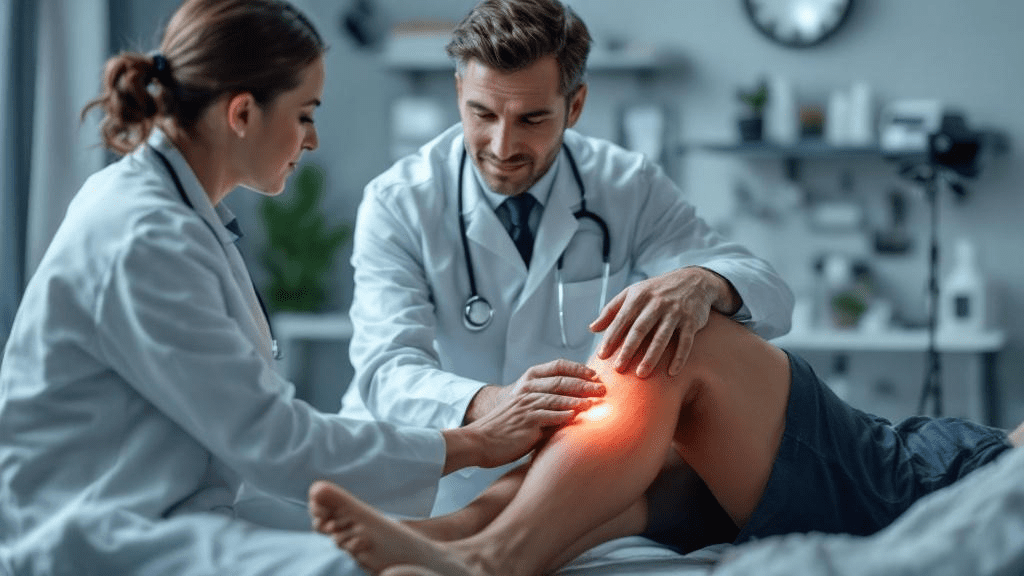
Location, duration, and functional limitation provide more reliable diagnostic clues than pain level. When normal movement becomes impossible, structural damage likely exists. For instance, you can’t fully extend your elbow, bear weight on your ankle, or rotate your shoulder. In these cases, the orthopedic specialists at Varma Shoulder Institute use evidence-based protocols. Therefore, they can differentiate between injuries that heal with conservative treatment and those requiring advanced intervention.
Certain warning signs eliminate any question about seeking medical evaluation:
Deformity or Misalignment
Visible bone displacement, unnatural joint angles, or asymmetry compared to the uninjured side indicates fracture or dislocation. These emergencies require immediate stabilization to prevent neurovascular compromise.
Inability to Bear Weight
Refusing to put pressure on an injured limb within the first few hours suggests significant structural damage. Fractures, complete ligament tears, and severe high ankle sprains prevent weight-bearing until properly treated.
Rapid, Severe Swelling
Moderate swelling over 24-48 hours is normal inflammatory response. Dramatic swelling within minutes signals substantial tissue damage, possible fracture, or hemarthrosis (bleeding into the joint).
Numbness or Tingling
Nerve symptoms indicate compression or direct nerve injury. Shoulder separations, elbow dislocations, and certain fractures endanger nearby nerves. Prompt evaluation prevents permanent sensory or motor loss.
Popping, Grinding, or Catching Sensations
Audible pops during injury often accompany ligament tears. Persistent grinding, clicking, or joint locking indicates loose bodies, cartilage damage, or mechanical dysfunction requiring imaging studies.
Loss of Range of Motion
Complete inability to move a joint through its normal arc suggests complete tendon rupture, fracture, or severe ligament injury. Partial limitation may indicate muscle tears or joint effusion.
Florida’s popular sports place enormous stress on knee structures. Specifically, basketball, soccer, football, and tennis create high-risk conditions. Additionally, ACL tears, meniscus damage, and patellar dislocations share overlapping symptoms. However, they require different treatment approaches.
According to the American Academy of Orthopaedic Surgeons, over 200,000 ACL injuries occur annually in the United States. Moreover, athletes ages 15-45 face highest risk. Warning signs include immediate swelling and inability to continue playing. Additionally, the knee may feel like it’s “giving way.” Furthermore, patients often have difficulty fully straightening the leg.
Throwing athletes and swimmers commonly develop rotator cuff issues. Similarly, they experience labral tears and shoulder instability. Notably, Dr. Amit Varma specializes in complex shoulder reconstruction. In fact, his double-board-certification in orthopedic surgery and sports medicine makes him uniquely qualified for Florida athletes.
Warning signs include pain with overhead activities and weakness when lifting. Additionally, clicking or popping occurs with movement. Moreover, nighttime pain often disrupts sleep. Sudden loss of motion following a fall or tackle may indicate acute rotator cuff tear. Alternatively, it could signal shoulder dislocation.
Not all ankle “twists” qualify as minor sprains. Therefore, the Ottawa Ankle Rules help determine when X-rays are necessary. Specifically, Florida Sports Injury & Orthopedic Institute uses these validated guidelines:
High ankle sprains affect the syndesmotic ligaments. These connect the tibia and fibula. Consequently, they require longer recovery than common lateral ankle sprains. Furthermore, they often need advanced imaging to diagnose properly.
American sports culture celebrates toughness. As a result, athletes often minimize injury and continue playing. However, this mindset causes preventable complications. For instance, continuing activity on a stress fracture converts it to a complete fracture. Similarly, playing through ACL instability damages meniscus cartilage. Moreover, swimming with a partial rotator cuff tear completes the rupture.
The National Institute of Arthritis and Musculoskeletal and Skin Diseases emphasizes early intervention. In fact, it’s the key factor determining recovery outcomes. Consequently, acute injuries treated within the first week respond better to conservative therapies. On the other hand, chronic injuries develop scar tissue, muscle atrophy, and compensatory movement patterns. Therefore, they require extensive rehabilitation.
Rest, Ice, Compression, and Elevation form the foundation of acute injury management. Initially, this protocol reduces inflammation and prevents secondary damage. However, RICE alone cannot heal structural injuries.
If symptoms don’t improve significantly within 48-72 hours, professional evaluation is necessary. Specifically, persistent pain, continued swelling, or functional limitation after three days indicates serious injury. Therefore, proper home care alone may not be sufficient.
Florida’s climate creates unique challenges for injury recovery. Specifically, high heat and humidity increase metabolic demands during healing. Additionally, they stress cardiovascular systems during rehabilitation. Furthermore, warm weather encourages athletes to resume activity before full recovery. Therefore, the sports medicine physicians at Florida Sports Injury & Orthopedic Institute understand these environmental factors. As a result, they adjust treatment protocols accordingly.
Year-round sports participation prevents traditional “off-seasons.” Consequently, overuse injuries don’t get adequate time to heal. Moreover, young athletes compete in multiple leagues simultaneously. Thus, they accumulate repetitive stress without proper recovery. Dr. Aalok Shah and Dr. Brian Patterson specialize in non-operative sports medicine. Therefore, they develop return-to-play protocols that balance competitive demands with tissue healing requirements.
Initial evaluation at Florida Sports Injury & Orthopedic Institute follows evidence-based diagnostic protocols. Specifically, we combine physical examination, patient history, and advanced imaging when indicated.
Clinical Assessment
First, board-certified specialists perform systematic examinations. These tests measure strength, range of motion, joint stability, and neurovascular status. Additionally, specific provocative tests provide diagnostic accuracy. For example, the Lachman test checks ACL integrity. Similarly, the Hawkins-Kennedy test identifies shoulder impingement. Overall, these tests provide accuracy exceeding 85% for common sports injuries.
Diagnostic Imaging
Next, X-rays identify fractures and joint alignment. Furthermore, MRI reveals soft tissue injuries. These include ligament tears, tendon ruptures, and cartilage damage—all invisible on conventional radiographs. Additionally, ultrasound enables dynamic assessment of tendon function. Moreover, it guides precise injection therapies.
Treatment Planning
Finally, Dr. Matthew Lee Welsh (hand and extremity specialist), Dr. Peter Shekailo (hip and knee reconstruction), and Dr. William Athans (sports medicine) collaborate. Together, they develop individualized treatment plans. Options range from physical therapy and PRP injections to arthroscopic surgery. In some cases, joint replacement becomes necessary when conservative measures fail.
| Symptom Category | Minor Injury Indicators | Serious Injury Warning Signs |
|---|---|---|
| Pain Level | Mild to moderate discomfort; improves with rest | Severe pain; worsens with any movement |
| Swelling | Gradual onset over 24+ hours; localized | Rapid swelling within minutes; joint distension |
| Function | Can complete limited activity with discomfort | Cannot bear weight or move joint |
| Stability | Joint feels stable; normal alignment | Joint feels loose, unstable, or misaligned |
| Sensation | Normal feeling throughout extremity | Numbness, tingling, or complete loss of sensation |
| Sound | No audible sounds during injury | Loud pop, snap, or crack at time of injury |
| Recovery | Improves significantly within 48-72 hours | No improvement or worsening after 3 days |
| Recommended Action | RICE protocol; monitor symptoms | Immediate medical evaluation required |
The most effective treatment is injury prevention. Therefore, the team at Varma Shoulder Institute and Florida Sports Injury & Orthopedic Institute emphasizes:
Proper Conditioning
Sport-specific strength training and flexibility programs reduce injury risk significantly. In fact, research published in the British Journal of Sports Medicine shows 30-50% risk reduction. Additionally, off-season conditioning prepares tissue for competitive demands.
Technique Refinement
Biomechanical flaws accumulate stress on vulnerable structures. For example, poor throwing mechanics and improper landing techniques cause problems. Therefore, professional coaching and sports medicine evaluation help. Specifically, they identify and correct movement patterns before injury occurs.
Equipment Optimization
Properly fitted protective gear is essential. Similarly, appropriate footwear matters. Furthermore, sport-specific equipment minimizes impact forces. As a result, it supports proper alignment.
Adequate Recovery
Rest between training sessions allows tissue repair and adaptation. Specifically, young athletes need 1-2 days off per week. Therefore, this break from organized sports participation is crucial.
Hydration and Nutrition
Florida’s climate demands aggressive hydration strategies. Additionally, proper nutrition supports tissue healing. Moreover, it maintains energy systems during competition.

Sports injuries don’t heal on hope alone. Therefore, seeking professional care makes all the difference. Additionally, early treatment prevents minor problems from becoming major complications.
The orthopedic specialists at Florida Sports Injury & Orthopedic Institute combine decades of training with cutting-edge treatment options. As a result, athletes of all levels return to peak performance faster and safer.
Located at 1925 Don Wickham Drive in Clermont, FL, FSI provides comprehensive evaluation and treatment. Furthermore, we offer same-day appointments for urgent concerns. Meanwhile, our walk-in clinic accepts patients without scheduling delays.
Dr. Amit Varma’s fellowship training positions him among Florida’s most qualified orthopedic specialists. Moreover, his team includes non-operative sports medicine physicians Dr. Aalok Shah and Dr. Brian Patterson. Consequently, you receive the full spectrum of treatment options—from conservative therapies to advanced surgical reconstruction.
Stop guessing whether your sports injury needs professional attention.
How long should I wait before seeing a doctor for a sports injury?
Seek immediate evaluation for severe pain, visible deformity, inability to bear weight, or numbness. For less dramatic injuries, apply RICE protocol for 48-72 hours. If symptoms don’t improve significantly within this timeframe, schedule an orthopedic evaluation. Delays beyond one week often complicate diagnosis and extend recovery.
Can I still play sports with a minor injury?
“Minor” injuries that don’t limit performance or cause pain during activity generally allow continued participation. However, any injury producing pain during play, reducing performance, or requiring pain medication to compete needs professional assessment. Playing through injury risks converting minor damage into major structural failure.
What’s the difference between a strain and a sprain?
Strains affect muscles or tendons (the cords connecting muscle to bone). Sprains damage ligaments (the bands connecting bone to bone). Both cause pain, swelling, and functional limitation. Accurate diagnosis requires clinical examination since symptoms overlap significantly. Treatment approaches differ based on injured structure severity.
Do all sports injuries need imaging studies?
No. Clinical examination accurately diagnoses many injuries without X-rays or MRI. However, suspected fractures, complete ligament tears, significant joint instability, or symptoms persisting despite appropriate conservative treatment warrant imaging. Your orthopedic specialist determines which studies, if any, are medically necessary.
When does a sports injury require surgery?
Most sports injuries respond to non-operative treatment including physical therapy, medication, and activity modification. Surgery becomes necessary for complete ligament ruptures, displaced fractures, mechanical joint dysfunction, or failed conservative management after 8-12 weeks. The orthopedic surgeons at FSI exhaust appropriate conservative options before recommending surgical intervention.
How soon can I return to sports after an injury?
Return-to-play timing depends on injury severity, healing progression, sport demands, and competitive level. Minor injuries may resolve in days while severe ligament tears require 6-12 months of rehabilitation. Premature return dramatically increases re-injury risk. Your sports medicine physician develops individualized timelines based on objective strength, stability, and functional testing.
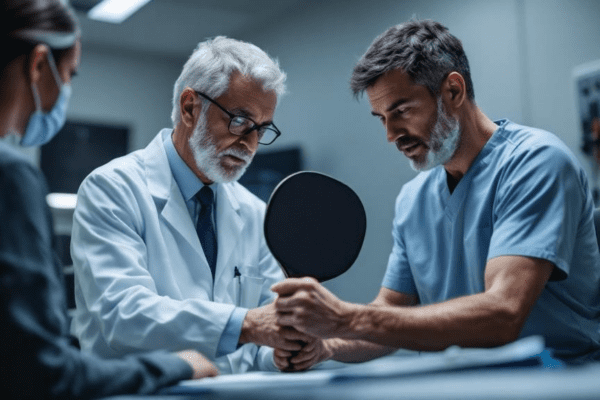
Pickleball wrist fractures are now one of the fastest-growing injuries in Florida. Emergency rooms report a 200% increase since 2020. This matches the sport’s explosive popularity. What started as a retirement activity has become competitive athletics for all ages.
Additionally, Florida’s year-round playing season means players never get natural recovery time. Therefore, sports medicine specialists see more injuries than ever before.
Pickleball creates unique injury patterns. Players make rapid direction changes and backward movements. Furthermore, overhead shots can compromise balance. When falls occur, players instinctively catch themselves with an outstretched hand. Consequently, force transfers directly to the wrist bones.
Moreover, Florida’s conditions create more risk. Humidity wears down court surfaces faster. Many community courts have outdoor surfaces that become slippery after rain. Therefore, fall risk increases significantly.
According to the National Library of Medicine, wrist fractures in racquet sports have increased among adults over 50. Additionally, pickleball represents the fastest-growing category. The American Academy of Orthopaedic Surgeons reports that sports-related wrist injuries now account for 15% of all fractures.
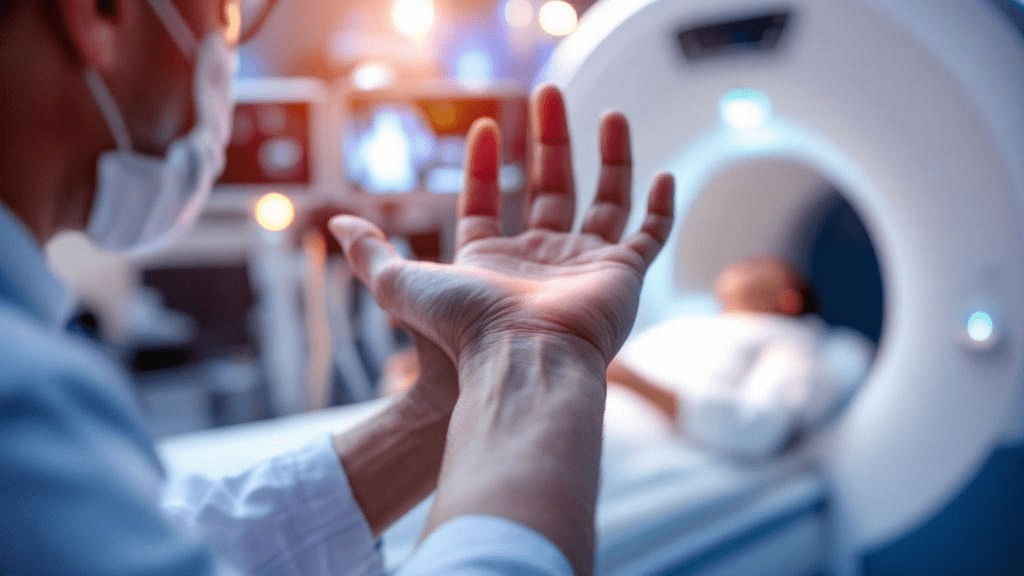 Common Pickleball Wrist Fracture Types
Three main types of pickleball wrist fractures occur most often:
This is the most common pattern. It happens when players fall backward during net exchanges. The distal radius breaks at its end where it meets the hand. Furthermore, this fracture can involve the joint surface. Therefore, it may require surgery to prevent arthritis later.
The scaphoid bone sits at the thumb base. It breaks during falls onto an outstretched hand. Moreover, these injuries are particularly concerning. The bone has poor blood supply. Consequently, it can fail to heal if not treated properly. The Centers for Disease Control and Prevention identifies scaphoid fractures as a leading cause of chronic wrist pain in athletes.
These injuries affect the bony bump on the pinky side of the wrist. They are less common but equally problematic. Additionally, they often occur with distal radius fractures. Therefore, they can compromise wrist stability if not addressed.
Florida’s unique factors increase the risk of pickleball wrist fractures. The state leads the nation in both pickleball participation and related injuries.
Florida’s large retirement population means many players are over 60. This age group faces the highest risk for pickleball wrist fractures due to decreased bone density. Furthermore, postmenopausal women face a particularly high risk. The National Institutes of Health reports that osteoporosis affects nearly 25% of Florida women over 65.
Humidity accelerates court wear in Florida. This creates uneven playing surfaces. Additionally, outdoor courts become slippery during morning dew. Therefore, fall risk increases significantly. Indoor courts offer temperature control. However, they often have hard surfaces that provide no cushioning during falls.
Florida’s competitive pickleball community drives players to push limits. Tournament play creates scenarios where fatigue affects balance. Consequently, reaction time suffers. This creates prime conditions for pickleball wrist fractures.
Dr. Amit Varma and our team at Florida Sports Injury & Orthopedic Institute use a thorough approach. First, we take a detailed injury history. Understanding how the fall happened helps predict fracture patterns. Additionally, it reveals associated soft tissue damage.
Our physical examination includes:
Next, imaging studies follow a clear path:
Three views capture most wrist fractures. Dr. Varma personally reviews these. Therefore, we identify subtle fractures that emergency rooms might miss.
Complex fractures need CT evaluation. This three-dimensional imaging guides surgical planning. Furthermore, it clearly shows fragment displacement. The American College of Radiology recommends CT for all joint surface fractures.
Sometimes X-rays appear normal, yet symptoms persist. In these cases, MRI can find hidden fractures. Additionally, it shows ligament tears or cartilage damage. Scaphoid fractures particularly benefit from early MRI. Therefore, we catch them before complications develop.
| Feature | Florida Sports Injury Institute | General Clinics | Emergency Rooms |
|---|---|---|---|
| Sports Medicine Training | Fellowship-trained in sports injuries | General training only | Limited sports knowledge |
| Same-Day Visits | Available for acute injuries | Wait times 3-7 days | Immediate but not specialized |
| Advanced Imaging | On-site X-ray, MRI, ultrasound | May need outside referrals | X-ray only |
| Surgery Options | Minimally invasive techniques | Traditional open surgery | Referral to outside surgeon |
| Rehab Services | In-house therapy for pickleball | Generic protocols | No rehab services |
| Return-to-Play | Sport-specific progression | Basic clearance | No follow-up |
| Insurance | Most major plans accepted | Varies | Often higher costs |
| Patient Portal | 24/7 access to records | Limited online services | No ongoing access |
At Florida Sports Injury & Orthopedic Institute, Dr. Varma’s double board certification ensures comprehensive care. His training in both orthopedic surgery and sports medicine addresses immediate injury and long-term athletic goals. Furthermore, our experience with pickleball athletes means treatment plans match the sport’s specific demands.
Non-surgical treatment includes:
However, surgery becomes necessary when:
Dr. Varma uses minimally invasive techniques whenever possible. These include:
Successful recovery requires a structured approach. The timeline varies based on fracture severity and treatment method. However, following the plan closely improves outcomes.
First, we focus on pain control and swelling reduction. Patients keep the wrist elevated. Additionally, ice therapy helps. Dr. Varma schedules follow-ups to monitor healing with repeat X-rays.
Bone healing progresses during this time. Early movement exercises begin. Dr. Aalok Shah, our nonoperative sports medicine physician, works with patients who are progressing well without surgery. Furthermore, physical therapy introduces gentle movement. This prevents joint stiffness while protecting healing bone.
Most simple pickleball wrist fractures have healed enough to begin loading. Grip strengthening starts. Additionally, wrist curls and functional exercises prepare patients for activities. For pickleball players, this phase includes sport-specific drills. These mimic game movements without complete contact.
Gradual return to pickleball begins with doubles play. Next, it progresses to singles. Finally, competitive matches resume. Dr. Varma clears patients based on:
Prevention requires addressing equipment, technique, and conditioning. These strategies can reduce injury risk by 60%. Research from the American Orthopaedic Society for Sports Medicine supports this.
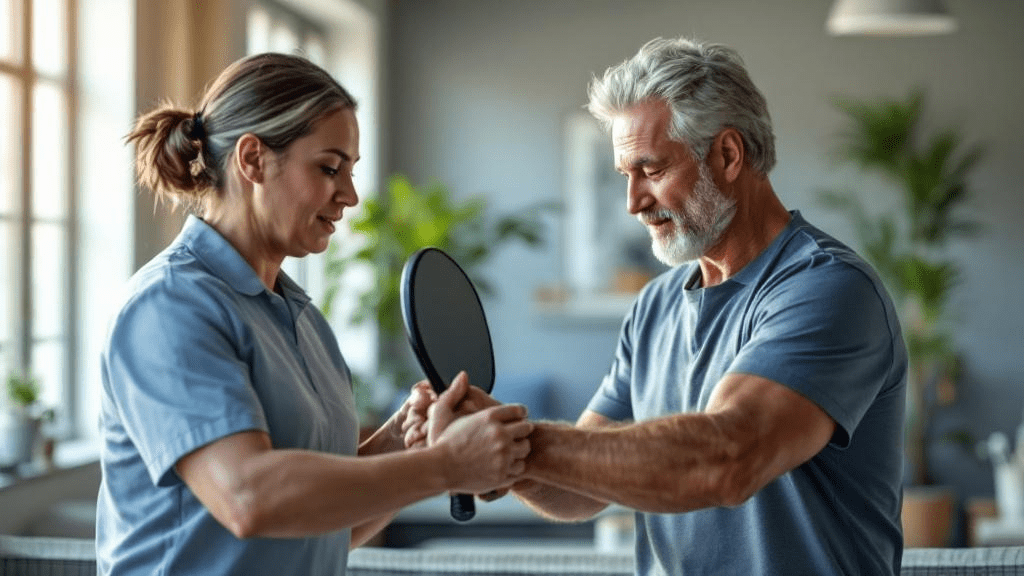 proper grip size to reduce wrist strain
Dr. Brian Patterson, our sports medicine physician, offers prevention consultations for pickleball players. These sessions include video analysis of your technique. Additionally, you receive customized exercise programs.
Florida Sports Injury & Orthopedic Institute
1925 Don Wickham Drive
Clermont, FL 34711
(352) 404-8956
We serve Clermont, Winter Garden, Windermere, Ocoee, Apopka, Mount Dora, Leesburg, and surrounding Lake County communities. We’re the trusted partner for treating pickleball wrist fractures throughout Central Florida.
Get immediate help at Varma Shoulder Institute or Florida Sports Injury & Orthopedic Institute if you have:
Don’t wait for symptoms to worsen. Early diagnosis by fellowship-trained specialists ensures the best outcomes. Dr. William Athans (Sports Medicine) and Dr. Peter Shekailo (Adult Reconstructive Surgery) provide expert care. For hand and wrist concerns, Dr. Matthew Lee Welsh, a fellowship-trained Hand Surgeon, offers specialized treatment.
Call or text (352) 404-8956 for same-day appointments. Our walk-in clinic means you don’t need to wait in pain. Furthermore, we offer convenient scheduling options.
Most players return to doubles play at 8-12 weeks. Additionally, competitive singles typically resume at 12-16 weeks. However, Dr. Varma provides timelines based on your specific healing. Furthermore, we monitor your progress closely throughout recovery.
About 60% of pickleball wrist fractures heal with casting alone. However, surgery becomes necessary when fractures are displaced. Additionally, surgery helps when the joint surface is involved. Furthermore, our team uses minimally invasive techniques to speed recovery.
Yes, you can significantly reduce risk. Proper conditioning helps prevent injuries. Additionally, technique changes lower your chances. Furthermore, appropriate equipment makes a big difference. Our doctors offer prevention consultations specifically for pickleball players.
Both cause pain and swelling. However, fractures prevent weight-bearing through the hand. Furthermore, fractures cause severe pain with any movement. X-rays show the difference clearly. Therefore, getting proper imaging is essential for correct diagnosis.
Most insurance plans cover treatment for pickleball wrist fractures. Florida Sports Injury accepts most major insurance plans. Additionally, we offer flexible payment options. Our staff helps you understand your coverage before treatment begins.
Don’t let pickleball wrist fractures sideline your game. Florida Sports Injury & Orthopedic Institute provides comprehensive care from diagnosis through return-to-play. Our fellowship-trained specialists understand pickleball’s unique demands. Furthermore, we create treatment plans that get you back to the sport you love.
Download our FREE Pickleball Injury Prevention Guide — includes warm-up routines, strengthening exercises, and technique tips from our sports medicine team.
1925 Don Wickham Drive, Clermont, FL 34711
Same-day appointments available. The walk-in clinic is open. Durable medical equipment on-site.

Florida Sports Injury treats rising rates of teen sports overuse injuries. Learn warning signs, prevention strategies, and when athletes need orthopedic care. Call (352) 404-8956.